Type 1
The immune system attacks the cells that make insulin. It can develop at any age and cannot currently be prevented. Treatment includes taking insulin and checking blood glucose.
Home / Learn
Diabetes made clearer
A simple guide to what diabetes is, the signs to look for, the main types and where to get professional help.
The basics
Diabetes is a condition that causes the level of glucose—sugar—in your blood to become too high.
Your body uses a hormone called insulin to help move glucose from your blood into cells for energy. Diabetes happens when your body does not make enough insulin, makes none, or the insulin does not work properly.
Know the signs
Understand the difference
The immune system attacks the cells that make insulin. It can develop at any age and cannot currently be prevented. Treatment includes taking insulin and checking blood glucose.
The body does not make enough insulin or the insulin does not work properly. Risk is influenced by several factors, and lifestyle changes can sometimes reduce the risk or delay its development.
High blood glucose that develops during pregnancy. It usually goes away after birth, but it needs to be detected and managed to reduce risks for parent and baby.
Everyday life
Diabetes does not have to stop you living a full and active life. The right plan depends on the type of diabetes and your individual needs, so work with your diabetes care team.
Common questions
No. Type 1 diabetes is usually caused by an autoimmune response and cannot currently be prevented.
Not every case can be prevented, but some people can reduce their risk through changes such as eating a balanced diet, being physically active and maintaining a healthy weight.
There is no single diet that works for everyone with diabetes. Healthy, balanced food choices matter, but individual advice should come from your diabetes team or a registered dietitian.
Yes. People with diabetes take part in sport, travel, work and everyday life. Planning and advice from your care team can help you exercise safely.
Free DAF resources
Explore original Diabetes Awareness Foundation campaign resources. These archive materials have not been updated as current clinical guidance; use the NHS and Diabetes UK links below for up-to-date health information.
A simple introduction to diabetes designed for easy community sharing.
Download the guide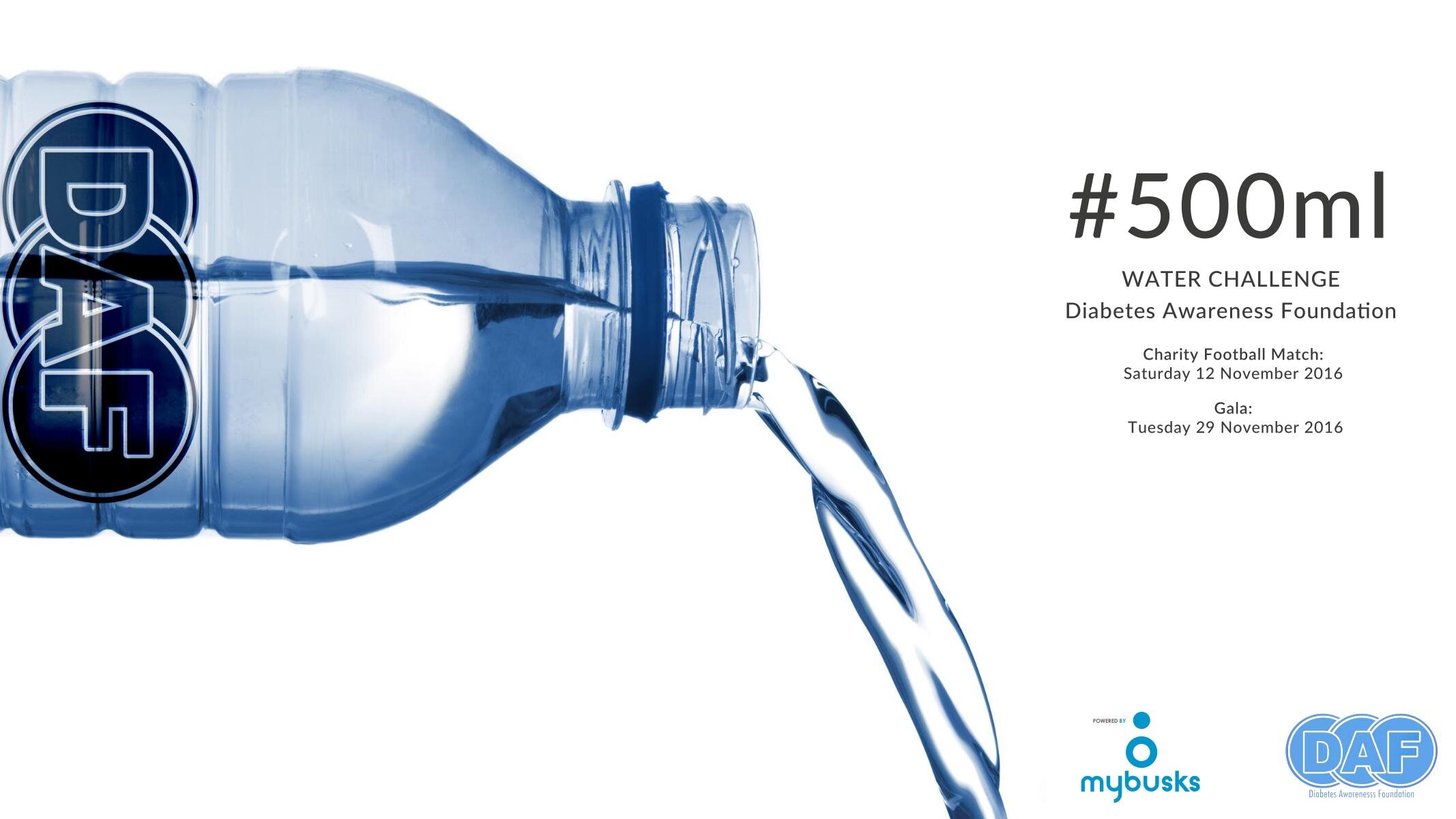
Read the original campaign booklet and see how DAF used a simple challenge to create awareness.
Download the bookletThis guide is written for awareness, not diagnosis or treatment. For current medical information, use the NHS diabetes guide and Diabetes UK.